Luxury baskets are the crown jewels of gifting, but their packaging can feel like a heavy crown too—massive, over‑stuffed, and ultimately wasteful. If you’re a boutique owner, a retailer, or a packaging supplier, you likely ask: How can we solve packaging waste reduction for luxury baskets without compromising the wow factor? This guide walks you through the most effective, transaction‑ready strategies to trim waste, boost brand reputation, and keep your customers coming back for more.
Understanding the Luxury Basket Packaging Challenge
Why Luxury Packaging Generates Waste
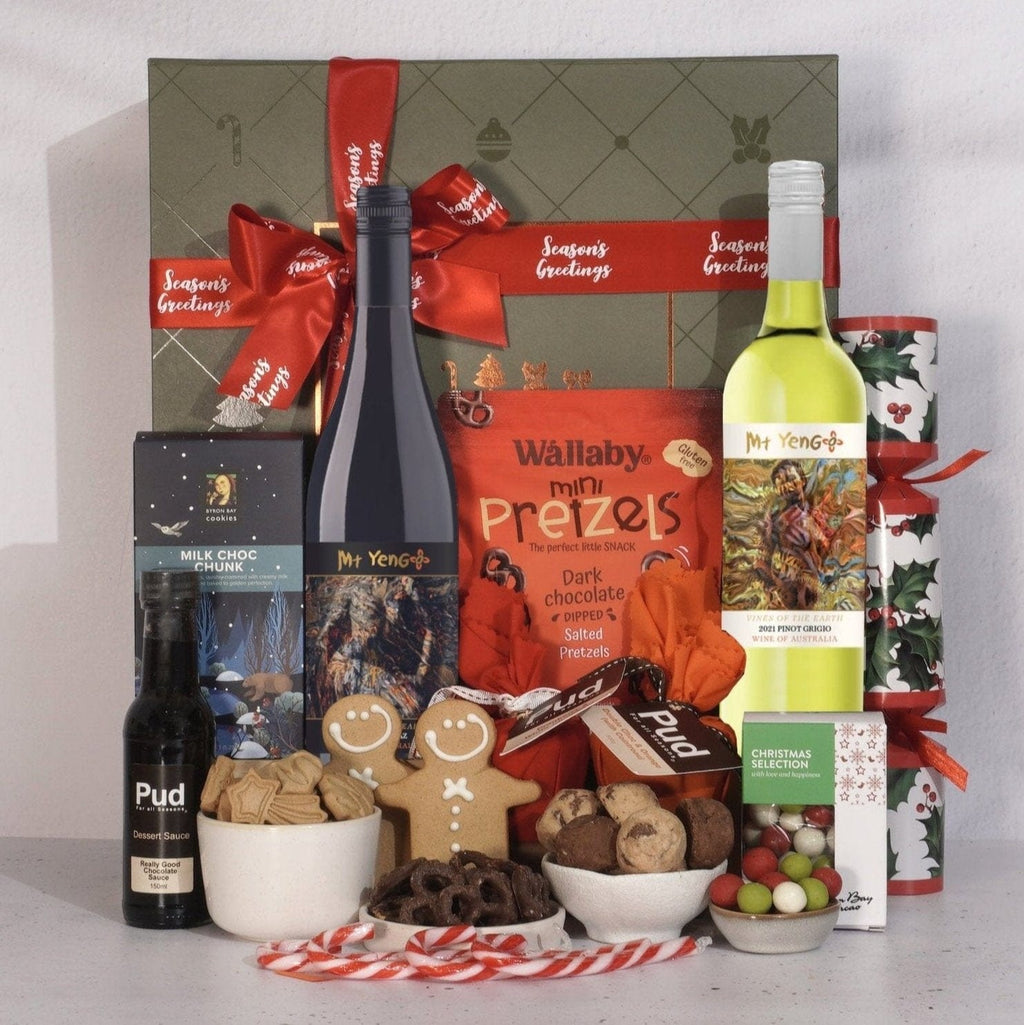
Luxury baskets are built to impress. Think velvet‑lined boxes, gold‑trimmed tissue, and custom foam inserts that hug every item. Each layer is designed to protect and to present, but it also adds bulk. The result? A packaging footprint Xmas presents that dwarfs the basket itself. The industry’s average material usage per basket is 30% higher than the average gift box, and the waste generated is roughly double.
Consumer Expectations vs. Environmental Reality
Modern shoppers love a tactile, premium experience, yet they’re increasingly eco‑conscious. They want that “wow” moment without the guilt of contributing to landfill. The challenge is balancing sensory delight with sustainability—an equation that, if solved, can set a brand apart.
> “Sustainability is not a buzzword; it’s a new language of trust.” – Sofia Green, Sustainability Consultant
Core Strategies to Reduce Packaging Waste
Material Innovation: From Biodegradable to Reusable
- Biodegradable films: Replace traditional plastics with plant‑based polymers that break down in composting facilities. Recycled fibers: Use post‑consumer paper or recycled cotton for outer boxes. Reusable carriers: Offer baskets in sturdy, decorative wooden or bamboo crates that customers can keep or return.
Choosing the right material is like picking the right brush for a masterpiece; the wrong choice can ruin the entire canvas.
Design for Disassembly: Making Every Layer Count
- Modular inserts: Create foam or cork pieces that can be swapped out or reused for different basket sizes. Minimal seams: Use adhesives that can be easily removed, reducing the need for extra tape or glue. Stackable packaging: Design boxes that nest together, cutting shipping volume.
When packaging is designed for disassembly, it’s like a well‑planned origami—beautiful, functional, and easily reversible.
Supplier Partnerships: Aligning Goals
- Shared sustainability metrics: Work with suppliers who publish their carbon footprints and waste reduction targets. Co‑branding initiatives: Promote joint eco‑efforts on packaging, turning logistics into marketing gold. Bulk purchasing: Negotiate lower prices for recycled or biodegradable materials by buying in volume.
A strong partnership can transform the supply chain into a lean, green machine.
Implementing a Circular Packaging System
Return‑and‑Reuse Models
- Deposit schemes: Offer a small refundable deposit for reusable packaging that customers return. Subscription boxes: Encourage customers to sign up for repeat deliveries that come in the same reusable crate. Loyalty rewards: Give points or discounts for returning packaging.
Think of it as a “take‑back” program that keeps the packaging loop closed, 2025 season much like a circular economy’s heartbeat.
Closed‑Loop Recycling Partnerships
- Recycling hubs: Partner with local facilities that specialize in processing packaging waste. Compostable options: Provide compostable liners that customers can dispose of in their home compost bins. Certification: Obtain third‑party certifications (e.g., FSC, Cradle to Cradle) to validate your efforts.
By closing the loop, you’re not just reducing waste—you’re turning it into a resource.
Measuring Success and Communicating Value
Key Performance Indicators
- Material reduction percentage: Track how much packaging material you cut per basket. Waste diversion rate: Measure the proportion of packaging diverted from landfill to recycling or composting. Customer satisfaction scores: Monitor how eco‑friendly packaging impacts the overall gifting experience.
These metrics help you quantify the impact and fine‑tune your strategy.
Storytelling and Marketing
- Case studies: Showcase how a single basket’s packaging journey reduced waste by 40%. Visual content: Use before‑and‑after images to illustrate the difference. Social proof: Highlight eco‑certifications and partner logos to build credibility.
A compelling narrative turns data into a story that customers want to share—think of it as the “green thumb” of marketing.
Making Your Selection Count
You’ve read the playbook: choose smart materials, design for disassembly, partner with like‑minded suppliers, and close the loop. The next step? Implement. Start with a pilot—select one basket line, apply the new packaging, and measure the results. If the numbers look good, roll it out across your catalog.

Remember, the goal isn’t just to reduce waste; it’s to create a packaging experience that feels as luxurious as the basket itself—without the guilt. By solving packaging waste reduction for luxury baskets, you’re not only protecting the planet but also elevating your brand’s prestige.
* Ready to take the first step?* Reach out to our sustainability consulting team today and let’s craft a custom, eco‑chic packaging solution that will make your luxury baskets shine—inside and out.